
Try Something Different This Passover – Morad Wines
By Chef David
Passover is often characterized as the holiday where we drink wine, specifically referring to the four glasses of red wine consumed during the Sedar. The red color serves as a vivid reminder of the blood of the paschal lamb and the blood of the Israelites, a tradition that follows the Haggadah. One cup aligned with each section of Kiddush, Maggid, Birkat Hamazon, and Hallel; these cups are largely symbolic. Seder (סֵדֶר) means “Order,” reminding us of the Exodus from Egypt, designed to make every participant feel as if they personally left Egypt. For the whole eight days of Passover, everything we consume must be kosher for Passover. After four glasses at the Seder, it is nice to have something different, as a drink to share with company.
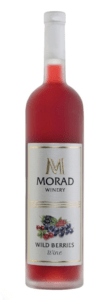
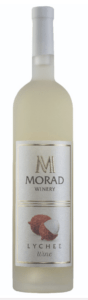
We discovered a unique, sweet fruit-forward wine from the Morad Winery, certified Kosher for Passover by the OK. These wines are made from the fruits of Israel, including Passionfruit, Lychee, Pomegranate, and Mixed Berries (we sampled the Lychee and Mixed Berries). Their aromatic, fruity offerings are best served chilled.
Unlike traditional wine made of grapes, for these fruit-based varieties, the blessing to recite is Shehakol (שֶׁהַכֹּל) (they are not kiddish wines), but they are perfect for Passover meals. Morad’s offerings also include Double Espresso and Limoncello.
Uniqueness of Morad Fruit Wines
-
- Kosher for Passover (and all year round)
- Not made of grapes (not used for Kiddish)
- Alcohol by Volume – 14%
- Sweet, complex fruity essence
Our Thoughts
These fruit wines surprised us. They are not the sugary-thick wine that we envisioned. This wine is smooth and well-rounded. Morad wines capture the essence of fruit, with a pleasingly light viscosity. They have a heavier consistency than dry white wine and are classified as medium-to-full bodied.
We enjoyed the Mixed Berry fruit wine, which combines blueberries, blackberries, cranberries, black and red currants, and raspberries (Lychee is made entirely of lychees), creating an elevated wine that embraces the fruits of Israel.
Morad wines are clean, flavorful, and sophisticated, presenting a complex flavor profile, a good marriage of sweet and tart, with an alcoholic kick.
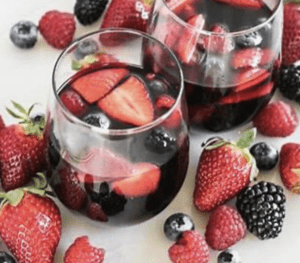
We felt that they are best served cold and can be used to create exotic signature drinks. Experiment with them served over fruit (or ice cream) for an elevated adult conversation piece. Or simply sip them.
Morad offers a kosher for Passover alternative to beer or cider that pairs well with a holiday or Shabbat meal.
The Morad Winery
At the foot of the Carmel Mountains, the Morad Winery was founded in 1999 by the husband-and-wife team Yaakov and Eti Morad. Yaakov, an Iraqi-Jewish winemaker, grew grapes in their backyard to produce wine for Kiddush. Eti’s father introduced the idea of non-grape fermentation, serving him homemade “Pumpkin Wine.” Yaakov studied how to apply professional winemaking techniques to local Israeli produce.

Gershon and Ellen Bodner
In 2008, Gershon and Ellen Bodner purchased and currently manage the winery, continuing the legacy of winemaking, combining time-honored tradition with state-of-the-art technology. The process is a delicate balance of science and patience, as non-grape ingredients have different sugar contents and acidity levels than standard wine grapes.
The Morad Difference
 The process of creating Morad’s signature fruit wines is a meticulous, year-long journey. Fruit winemaking requires the winemakers to carefully extract the juice and then precisely calibrate the sugar and acidity of the “must” to ensure a successful fermentation. Once the juice is prepared, it is transferred into specialized, temperature-controlled stainless-steel vats for approximately 12-months, where yeast converts sugars into alcohol.
Morad fruit wines are non-Mevushal. They have not been pasteurized or flash-heated to preserve the natural fruity flavors. The final product remains a pure expression of the original fruit that captures the authentic fruit essence in every bottle.
Try Morad fruit wines for Passover, or year-round, for a l’chaim that embraces the wonderful flavor of fruit. Look for them at your local Kosher wine store or online.
Related Posts
-
 Cheers – Upstate Vodka is Kosher for Passover
Posted on Mar 14, 2026
-
 Jews Urged By Pro-Israel Group to Boycott Spain Over Ambassador Recall
Posted on Mar 12, 2026
-
 Hundreds of Young Jewish Business Leaders Gathered in NY for Birthright Israel Excel Summit
Posted on Mar 9, 2026
-
When Yitzhak Rabin blinked against Hamas
Posted on Oct 16, 2025
Tags
Share This


