
The Traitors Circle by Jonathan Freedland
Reviewed by Paul Rose
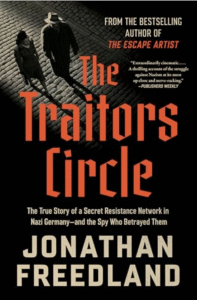
The scene of the recently published The Traitors Circle: The True Story of a Secret Resistance Network in Nazi Germany―and the Spy Who Betrayed Them by Jonathan Freedland (Harper) is set: Berlin, late summer of 1943. The tide of World War Two was on the turn. The casualties on the Eastern Front were mounting, and Berlin was being bombed nightly.
A group of German nationals—all of whom were Gentile, mainly ladies of aristocratic background, but some of the gentlemen were, in pre-Hitlerian times, senior civil servants—met on September 10 for afternoon tea in Carmer Strasse. Being wartime, the fare was simple, the conversation defiantly anti-Hitler: “How to Stop the War?”
Unknown to all—but one—was the identity of a single guest, a member of a distinguished family, Dr. Paul Reckzeh, a young physician-turned-Gestapo informer.
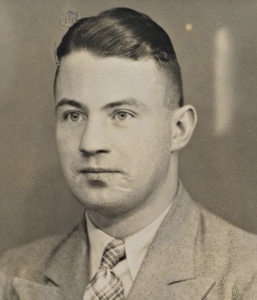
Dr. Paul Reckzeh
He dutifully reported the names of all those in attendance to the Nazi authorities, and his victims were subsequently watched by the Gestapo—until, on January 12, 1944, Heinrich Himmler issued the arrest order for the entire group, dubbed the Solf Circle for one of its founders, Hanna Solf. The widow of a former German diplomat, she, like her husband, was anti-Nazi. With her daughter, she was responsible for hiding many Jews and providing them with documents allowing them to emigrate safely.
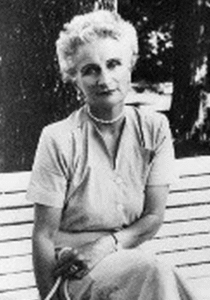
Hanna Solf
Except for two individuals who committed suicide, the rest of the Solf Circle were detained, tortured, and eventually brought to the “People’s Court”—a Nazi tribunal established in 1934 to try political crimes such as treason. The presiding judge, Roland Freisler, president of the People’s Court and former State Secretary of the Reich Ministry of Justice, is an important reason that the court is recognised as one of the most notorious instruments of state terror in the Third Reich, associated with summary justice, execution, and denial of civil and legal rights.
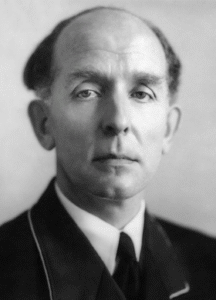
Presiding judge Roland Freisler
With some exceptions, all members of the Solf Circle were executed.
The Traitors Circle goes on to detail how those few who survived managed after the war and what happened to Dr. Reckzeh. Suffice it to say that while Mr Freedland explores the issue of heroism in the face of the most vengeful regime in history and raises the question of what kind of person it takes to risk everything and stand up to tyranny, this is not a story for those who demand justice. While Freisler met his end in a most satisfying—and poetically fitting—manner, Dr. Reckzeh died in Hamburg on March 31, 1996, years after betraying his own daughter to the East German Stasi when she tried to flee the city.
Those interested in the life, times, and events of wartime Germany will find The Traitors Circle a compulsive read, exceedingly well researched and written. Mr Freedland’s footnotes at the end of the book ensure no one will confuse The Traitors Circle with fiction.
Related Posts
-
 A Time to Hide: Based on a True Story of Survival during the Holocaust by Marion Seidemann Fredman
Posted on Mar 2, 2026
-
 Don’t Vote for a Candidate Who Won’t Condemn Mamdani
Posted on Oct 24, 2025
-
 Aron Bielski: The Last of the Holocaust Hero Brothers
Posted on Sep 25, 2025
-
 Detective-drama Wrapped in Love- Last Twilight in Paris
Posted on Dec 19, 2024
Tags
Share This


